.png)
Welcome to
Everyone deserves good education.
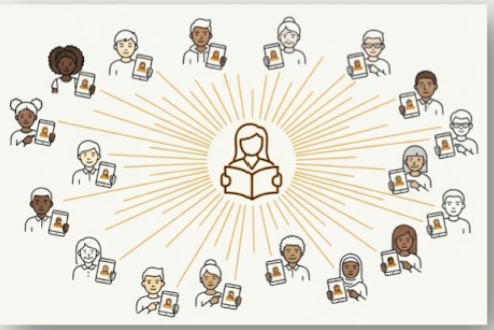
One-on-one teaching has always been the best way to learn. It has never been able to reach everyone. Now it can.
One-on-one — always reserved for a few
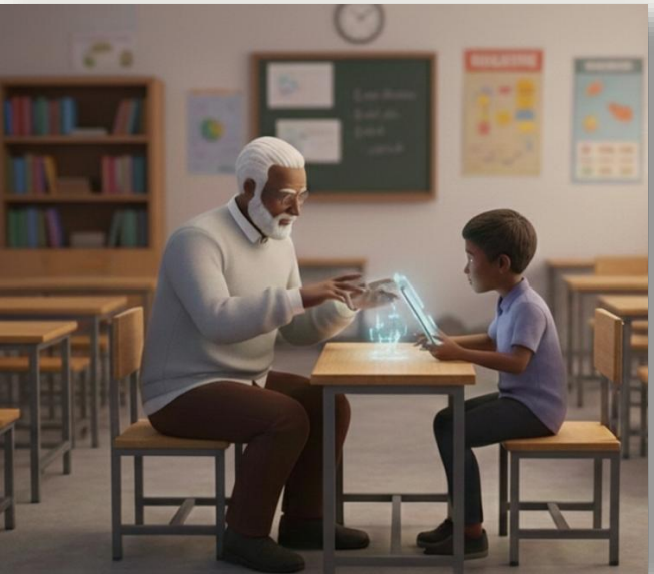
Sit a student beside a good tutor and something changes. The pace bends to them. Questions get answered the moment they're asked. A wrong turn is caught before it hardens into confusion. But that kind of attention has always been reserved for a few — the students with the money, the proximity, or the luck to have a tutor of their own.
Until now.
That constraint just lifted.
What we built
The human metaphor
The most intuitive interface is the one we already know — the human one.

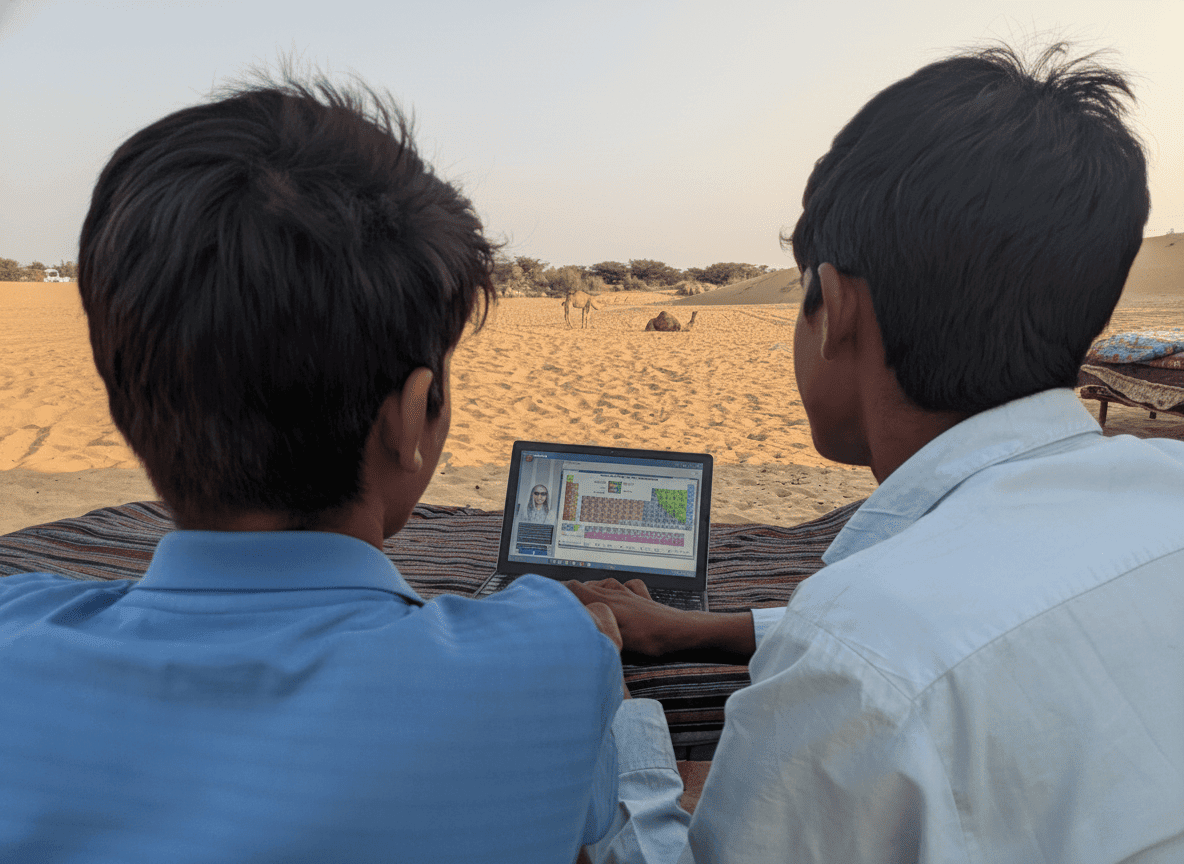
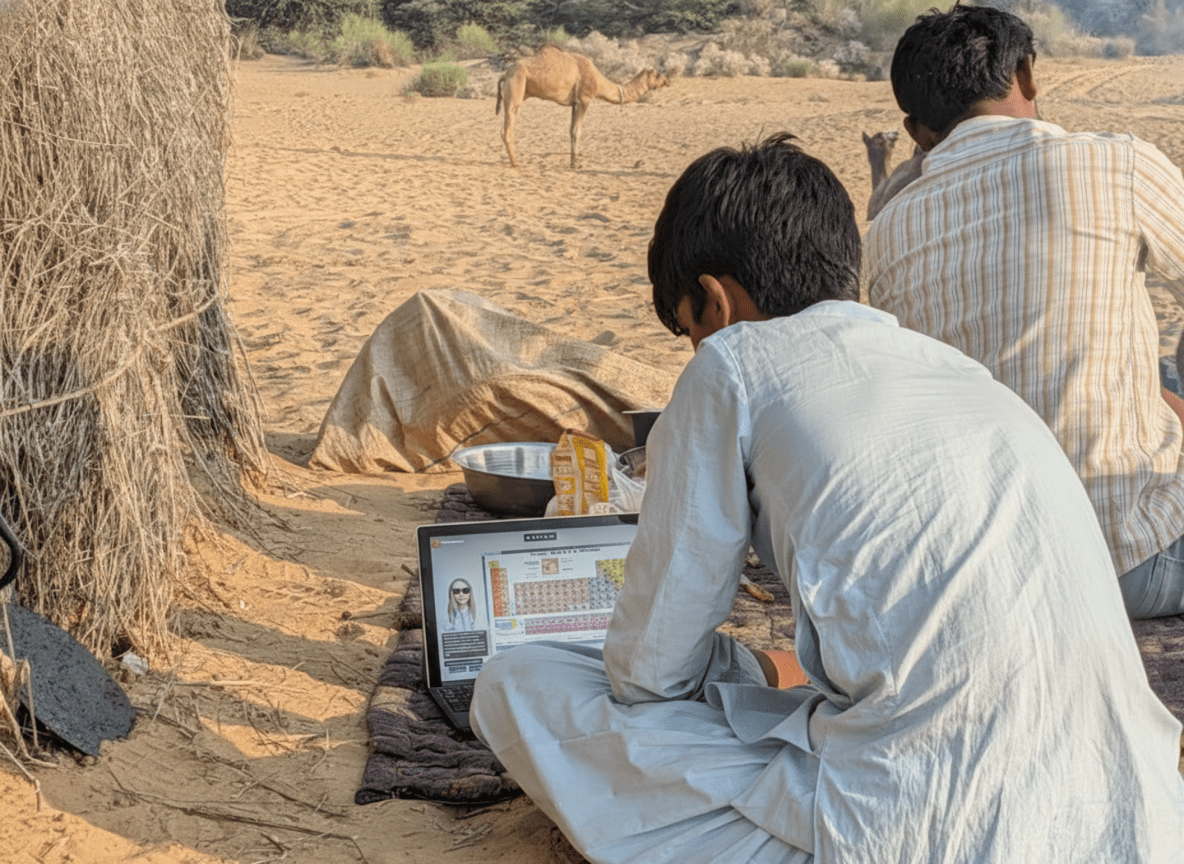
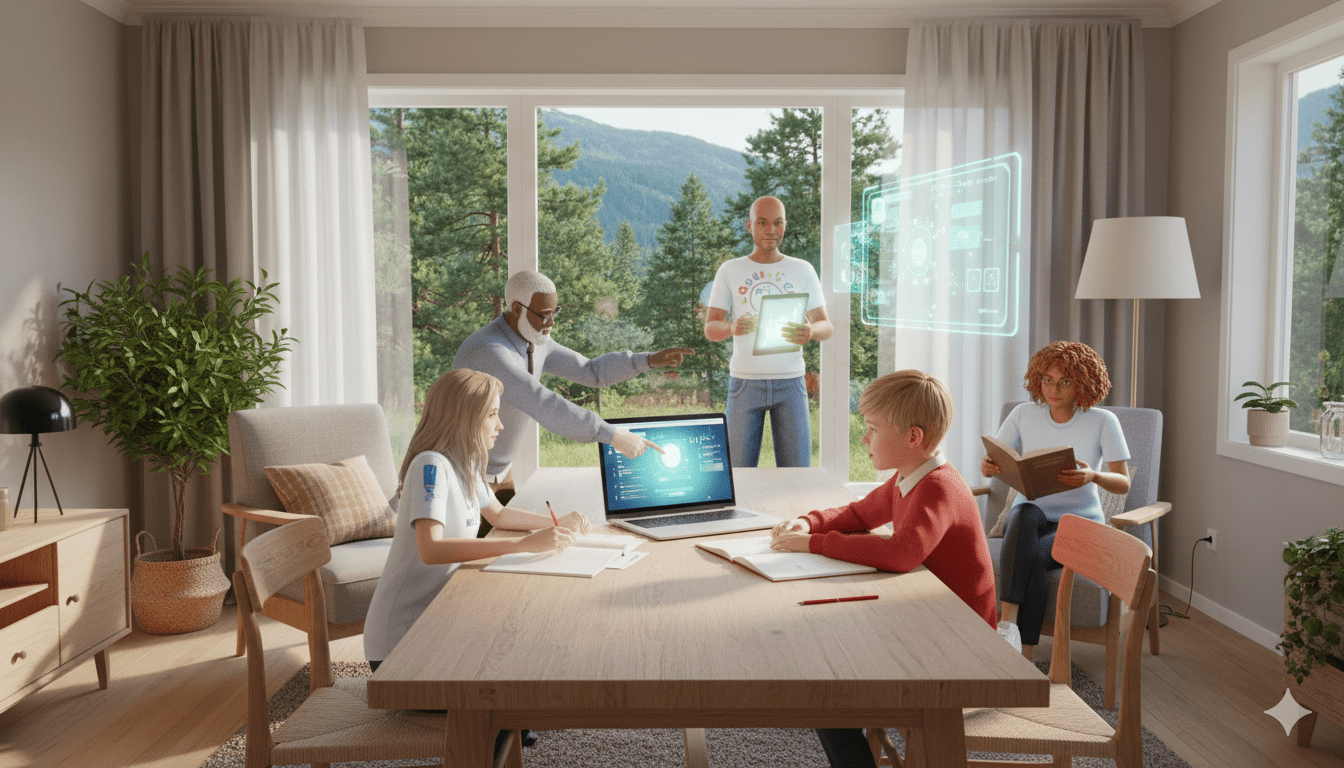
3D avatar tutor
A teacher who makes the learner feel seen, safe, and supported.

Interactive whiteboard
The familiar classroom, digitally powered.

Voice & conversation
Speak, type, or raise a hand — in your own language.

100+ languages
Built for global reach from day one.
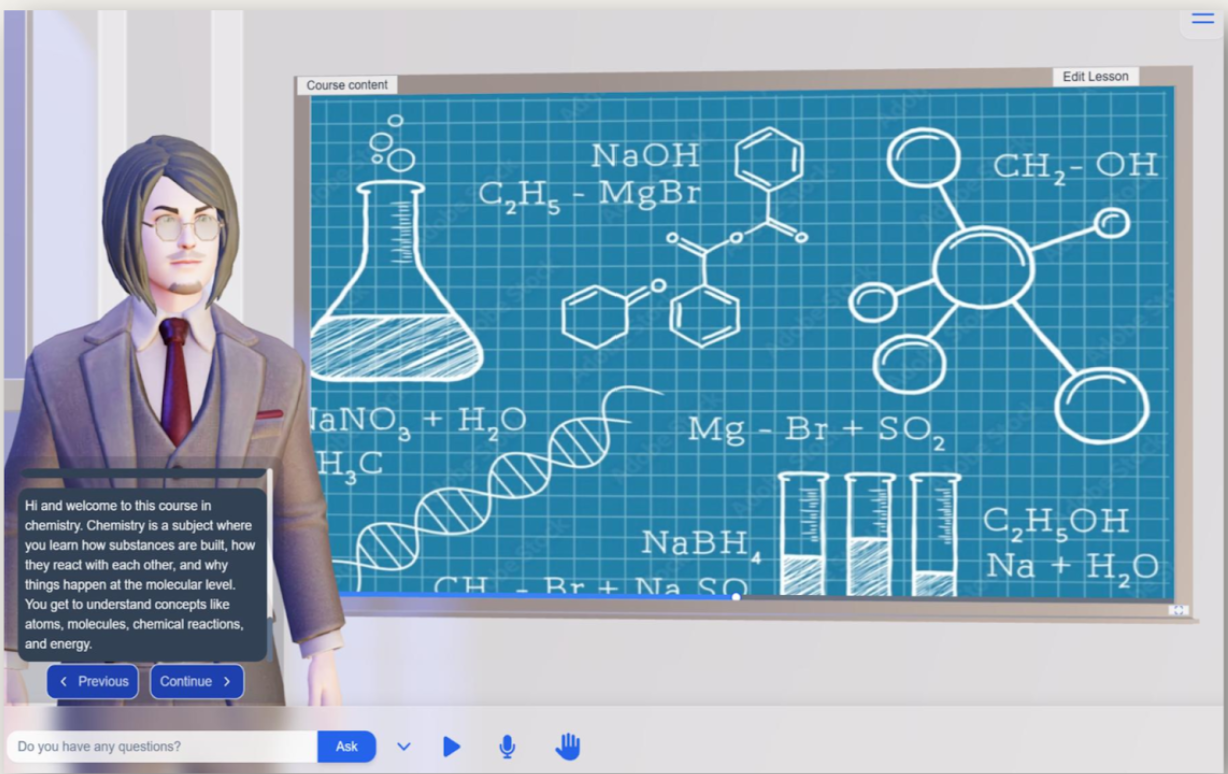
The product
Three faces, one engine
Like Spotify for education.
The Player
Student-facing
The AI tutoring experience — where every learner meets their personal tutor.
The Studio
Teacher-facing
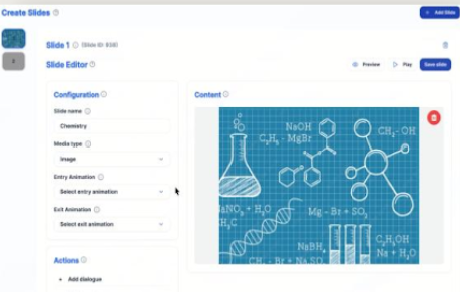
Where teachers and creators design and publish courses. They stay in control.
The Library
Marketplace
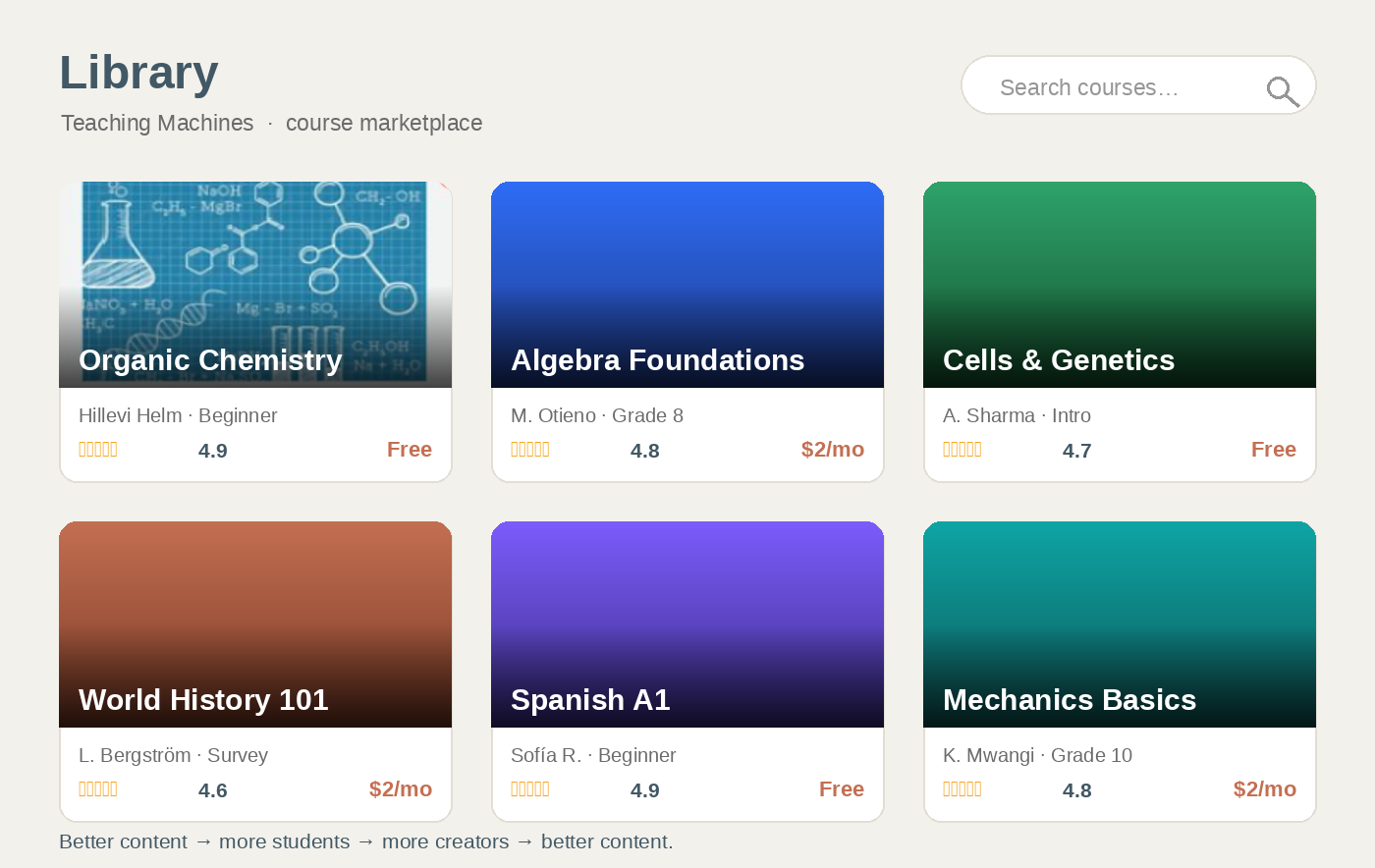
A content marketplace with revenue share. Better content, more creators.
Better content in the Library → more students on the Player → more creators in the Studio → better content…
In practice · Math
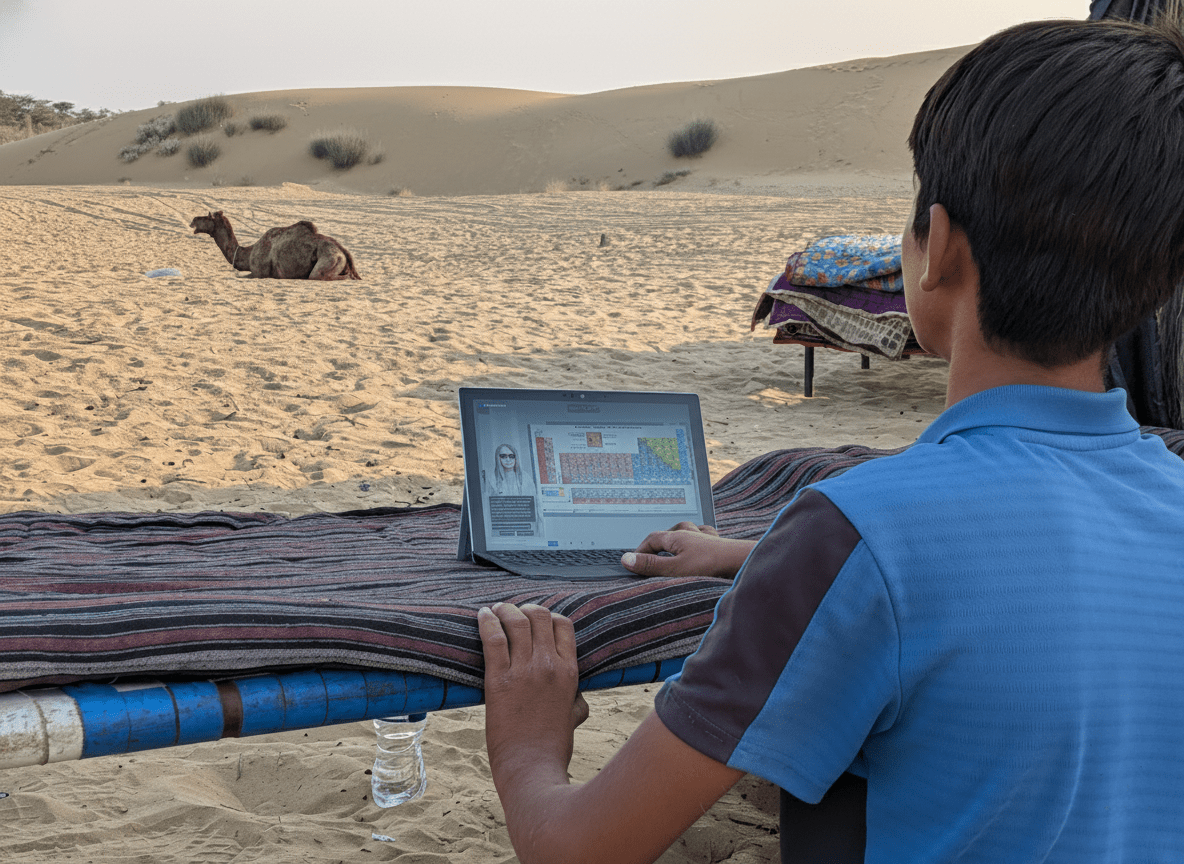
It meets every learner where they are
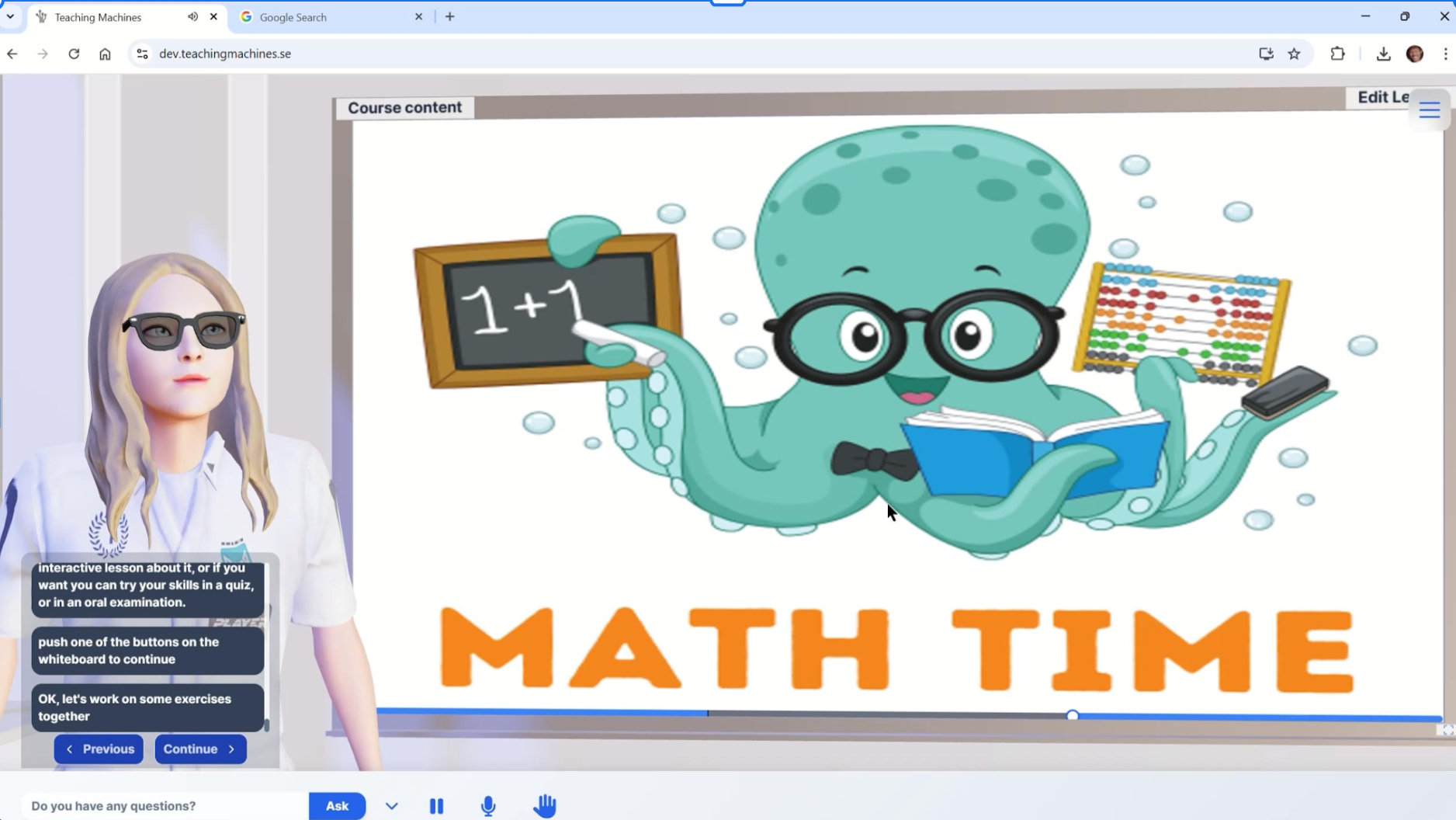
Tutor: A shirt costs 200 shillings. With a 10% discount, how would you begin?
Student: First I take 10% of 200, which is 20.
Tutor: Correct — so what do you do with that 20 to find the final price?
The tutor guides the reasoning. The student does the thinking.
Four things a teaching machine does
A good teacher does far more than deliver facts. Teaching Machines takes on four of those jobs, so the teacher is freed for the ones only a human can do.
Scale
One teacher's expertise, delivered one-on-one to every student at once — infinite patience, a one-to-one ratio, all at the same time. This is the answer to a world short of teachers.
Personalization
It meets each student at their level and walks them forward, one step at a time, in their strongest language. The bored stop being bored. The lost stop being lost.
A safety net
It follows the student through absence, illness, a hard week at home, and picks up where they left off. It gives homework help that doesn't depend on an educated parent. And it checks understanding through conversation — not through answers that were copied.
Engagement
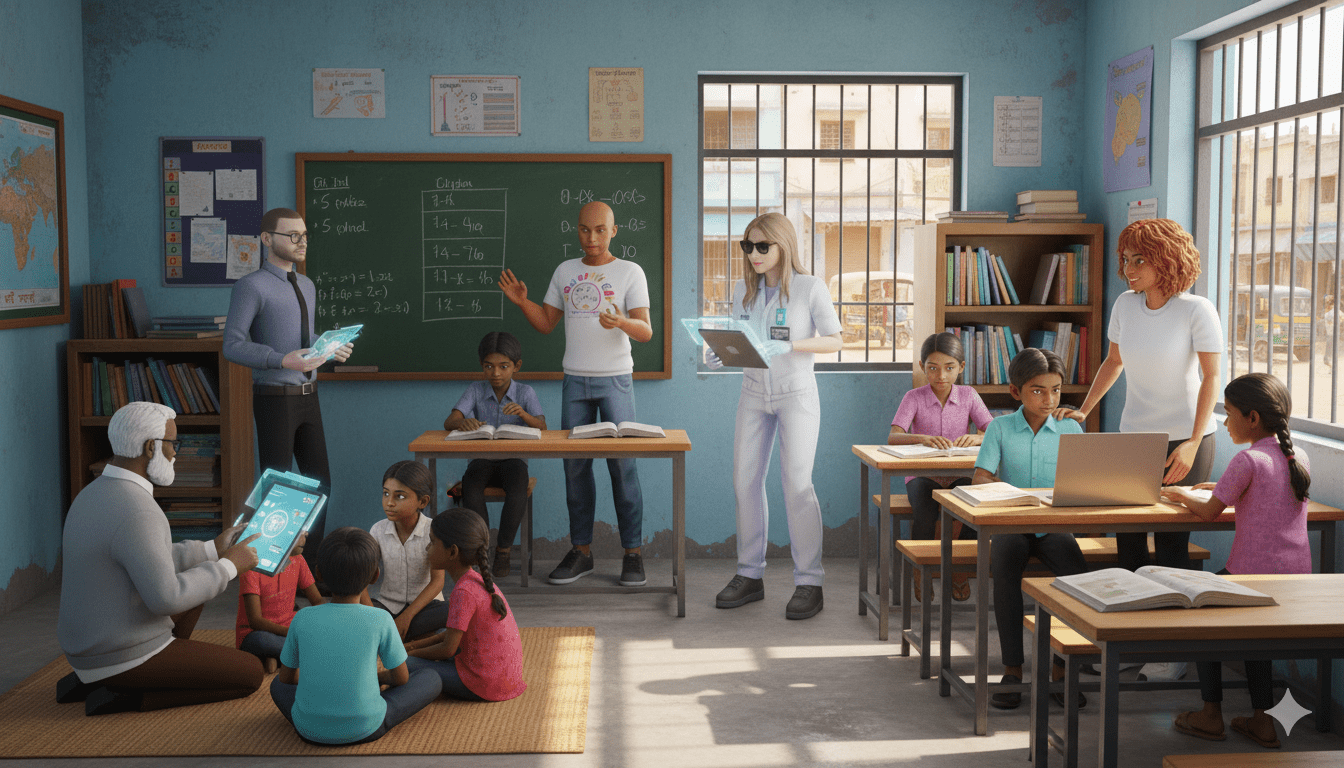
It keeps the rest of the class meaningfully busy while the teacher works with one student, and ties the subject to what each learner actually cares about.
Social skills, group culture, the human leadership of a classroom — those stay the teacher's. Teaching Machines supports; it does not replace.
The shortage
Who this is for
Behind every missing teacher sit dozens of students. Hundreds of millions of learners, held back — not for any lack of talent, but for lack of a teacher with time.
44M
teachers the world is short of to reach universal education by 2030 — about half again as many as exist today.
56:1
students per teacher in parts of sub-Saharan Africa. Individual attention, at that ratio, is impossible.
45,000
teachers Sweden alone expects to be short by 2033 — close to a fifth of the profession.
Talent is equally distributed. Opportunity is not.
The opportunity
Why now
Three things arrived at the same moment.
The capability finally exists
The capability finally exists. An AI that can hold a real teaching conversation — patient, multilingual, one step at a time — did not work at usable quality until very recently. And it arrives on rails that are already laid: internet reaching almost everywhere, on phones and Chromebooks now cheap and powerful enough to carry a tutor into almost any hand.
Barely digitized
Education is the last great sector still barely digitized — around a twentieth of it is online, in a world where finance and media went digital a generation ago. And it is remarkably well suited for AI.
The gap is widening
The gap is widening, not closing — teacher attrition has nearly doubled in a decade, and no country can hire its way out.
The dream itself is old. A century ago, Pressey and Skinner built mechanical “teaching machines” and watched them fall short. The idea was right; the tools weren't ready. Now they are.
How it works
We don't replace teachers. We scale them.
Teacher
Designs the lesson
Studio
Captures the expertise
AI Tutor
Delivers it 1-on-1
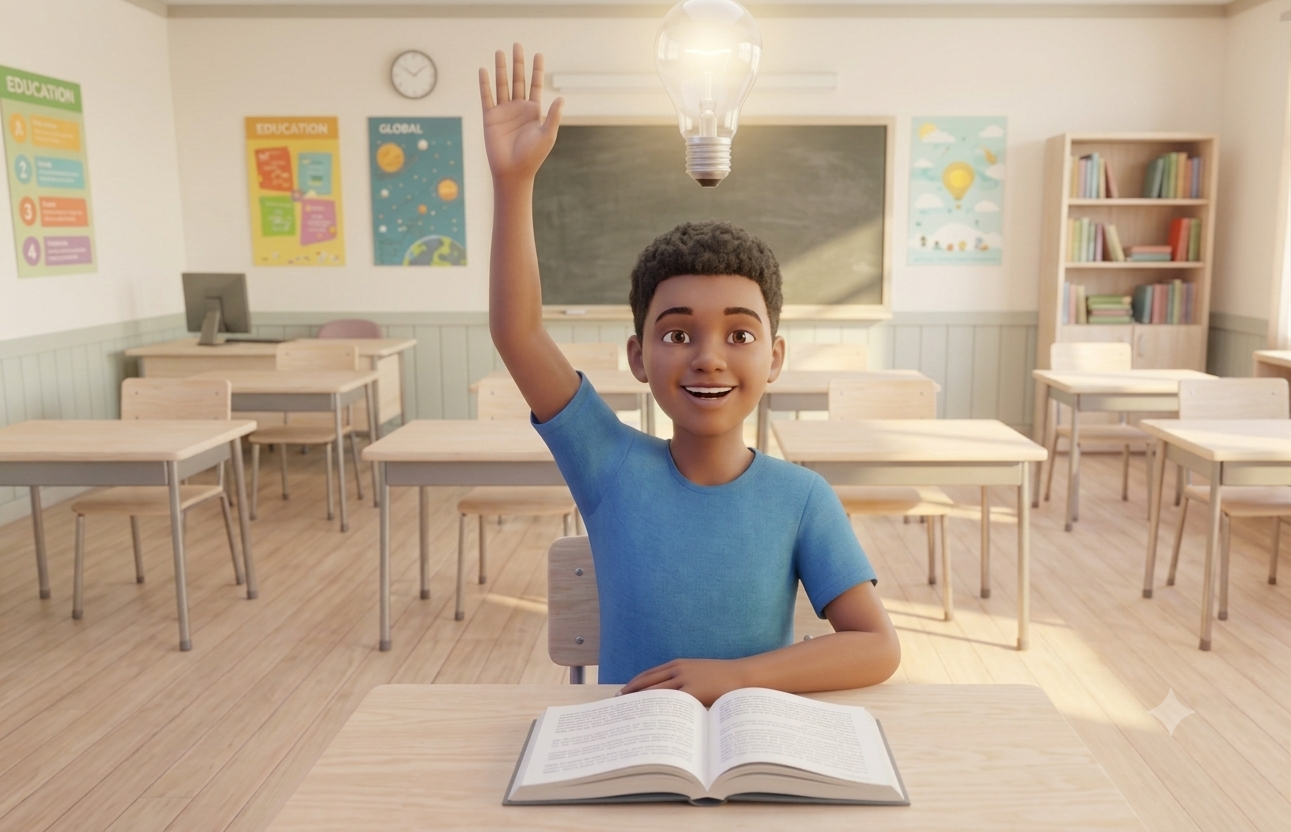
Every student
Attention, all at once
One teacher's expertise, delivered to every learner.
Teaching Machines does not replace the teacher. It takes on the one-on-one tutoring, so the teacher is freed for the human moments — relationships, motivation, judgment, the social fabric of a class.